Featured Title Options
- The Role of Women in Education: Why It Matters Now
- Girls’ Education and Global Prosperity
- Girls’ Education Is One of the Most Powerful Forms of Aid
Across the world, millions of girls are still denied access to education. According to UNESCO, 129 million girls are currently out of school. Poverty, conflict, and displacement remain the main barriers. In many communities, girls are expected to work at home or marry early. Supporting women education is one of the most effective ways to break these cycles.
Education is more than learning to read and write. It is a foundation for safety, confidence, and opportunity. When girls receive an education, families and communities benefit.
A Real Example of Impact
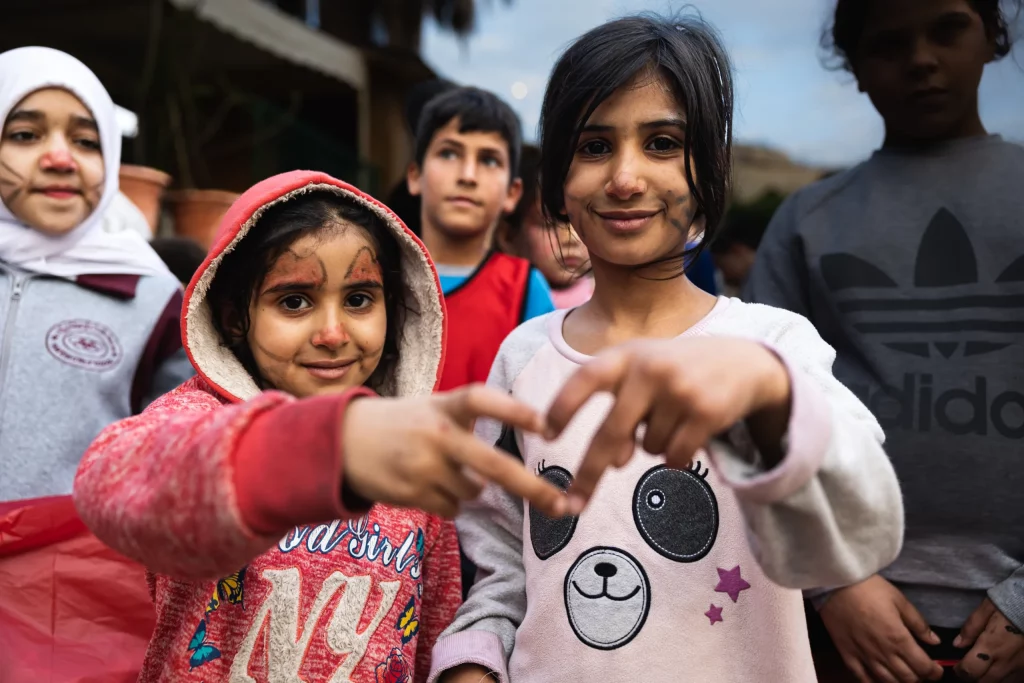
In Bhimber, Pakistan, Human Concern International established an all-girls school to address the lack of safe learning spaces for young girls. Before the school opened, many students had no access to nearby education. Distance and safety concerns kept them at home.
Today, girls attend classes regularly in a supportive environment. They gain literacy, numeracy, and life skills. This project reflects why women education worldwide matters. When access exists, girls participate and thrive.
Source: https://www.instagram.com/p/DRArniIkbs9
The Importance of Women Education
The importance of women education is supported by strong global research. The World Bank reports that each additional year of schooling can increase a woman’s future earnings by up to 10 percent. Educated women are more likely to support their families and contribute to local economies.
Despite these benefits, millions of girls still lack access to quality education. Protecting education rights for women is essential to reducing poverty and inequality. Education gives women tools to make informed decisions and build stable futures.
The Role of Women in Education
The role of women in education extends beyond individual achievement. Educated women often become caregivers, teachers, and community leaders. Their knowledge shapes the next generation. UNICEF research shows that children of educated mothers are 50 percent more likely to survive past the age of five.
When women are educated, families are healthier. Communities become more resilient. Progress becomes sustainable.
Education, Health, and Protection
Girls who stay in school are less likely to experience early marriage and preventable health risks. UNICEF reports that girls with secondary education are three times less likely to marry before age eighteen. Access to women education worldwide is also linked to better maternal health and improved nutrition.
Education offers protection during times of crisis. It provides structure, stability, and hope. For many girls, school is a safe space that changes the direction of their lives.
Education Rights for Women Are Human Rights
Access to education should never depend on where a girl is born. Yet conflict, displacement, and poverty continue to threaten education rights for women across many regions. Supporting women education worldwide is not only compassionate. It is necessary.
Every girl deserves the chance to learn, grow, and shape her own future.
Take Action with Human Concern USA
When you support girls’ education, you support long-term change. Education strengthens families and builds self-reliant communities.
Stand with Human Concern USA in advancing women education and protecting education rights for women worldwide.
Donate today and help girls build futures rooted in dignity and opportunity.